
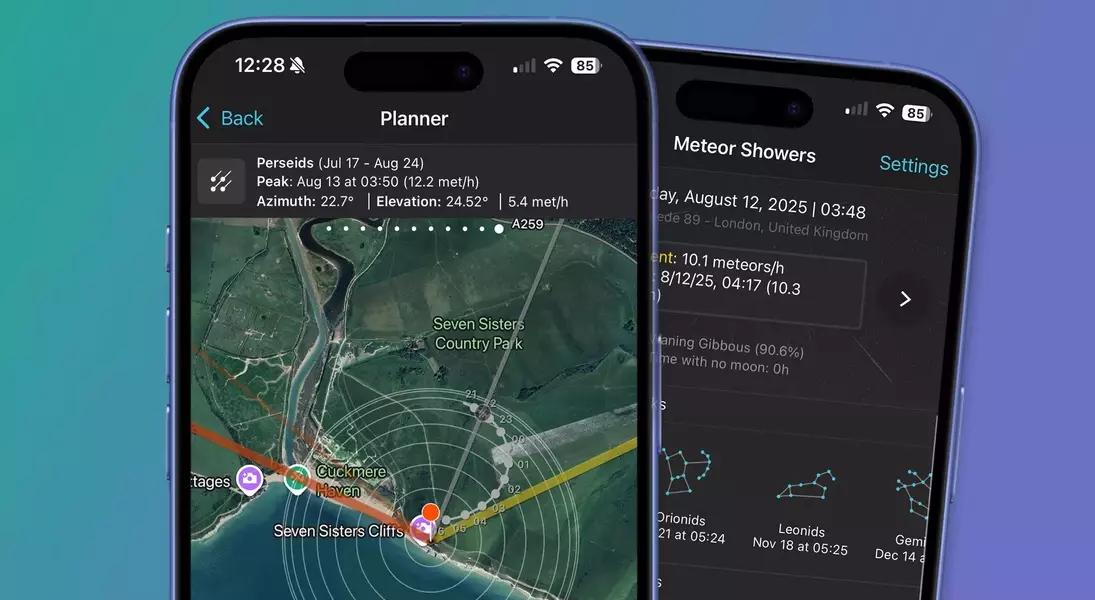
The annual Perseid meteor shower, a truly breathtaking celestial event, is set to reach its peak, offering an unparalleled spectacle for sky-gazers and astrophotographers alike. While this year's display may be slightly affected by the bright Sturgeon Moon, dedicated observers in the Northern Hemisphere can still anticipate a memorable experience. This comprehensive guide provides everything you need to know, from optimal viewing periods and prime locations to essential equipment and advanced photography techniques, ensuring you make the most of this cosmic marvel.
\nThe highly anticipated Perseid meteor shower will reach its radiant peak during the evenings of August 12 and August 13. For those residing in the Northern Hemisphere, seeking out dark, secluded locations, far from the glare of urban lights, will offer the best vantage point. The prime viewing window spans from approximately 10:30 PM to 4:30 AM local time. The American Meteor Society indicates that the absolute zenith of activity will occur around 4:00 AM UTC on August 13 (which corresponds to midnight EDT or 9:00 PM PDT on August 12). However, significant meteor activity is expected for roughly eight hours surrounding this peak. Despite the current brilliance of the Sturgeon Moon, which reached its full phase on August 9, patient observers should still be able to witness several meteors per hour. NASA predicts a rate of 10 to 20 meteors per hour in most regions of the US, provided light pollution is minimal. In the UK, Finn Burridge of the Royal Observatory suggests that observers might spot “1 or 2 fireballs per hour” and recommends attempting observations again on the weekend of August 16 and 17, when the moon's brightness will be less of an interference. Local weather conditions, particularly cloud cover, and smoke from wildfires, such as those recently observed in Colorado, California, and Canada, could also influence visibility in certain areas.
\nTo maximize your viewing experience, prioritize finding a location with complete darkness, whether it's a remote countryside spot or a backyard with all external lights extinguished. Crucially, allow your eyes at least 20 to 30 minutes to fully adapt to the night's darkness. Avoid any white light, including smartphone screens, as this will reset your night vision. A headlamp with a red light mode, like the Petzl Actik or AlpKit Gamma III, can be invaluable for maintaining night vision if you need to move around. Binoculars or telescopes are not recommended for meteor showers, as they restrict your field of view; the naked eye is best for scanning the expansive night sky. The meteors will appear to emanate from the constellation Perseus, located just below the W-shaped Cassiopeia constellation. Aim your gaze generally towards the north, or the north-eastern sky if you are in southern latitudes. While most shooting stars will be fleeting, keep an eye out for 'earth-grazer' fireballs – larger, brighter meteors that leave a more prolonged, sparkling trail. Dedicated stargazers should plan to spend two to three hours observing to fully appreciate the display. For those unable to observe directly, the Virtual Telescope Project is hosting an online observation session on August 12, beginning at 21:00 UTC.
\nFor aspiring astrophotographers, capturing the Perseids requires specific equipment and techniques. While modern smartphone astrophotography modes have improved, a DSLR or mirrorless camera with manual controls and mounted on a sturdy tripod is ideal, especially a full-frame model for better light sensitivity. A wide-angle lens, typically in the 14-20mm range (or 10-14mm for APS-C cameras), is generally preferred for astrophotography. However, for capturing the distinct trails of Perseid meteors, a lens in the 28-50mm range (17-32mm for APS-C) might be more effective. When setting up, ensure your lens is in manual focus and precisely set to infinity, or manually focus on a bright star. Recommended camera settings include an ISO of 800 and the widest possible aperture (e.g., f/2.8 or lower). Utilize long exposures, typically 20-30 seconds, and employ a self-timer or remote shutter release to prevent camera shake. Incorporating foreground interest, such as trees or unique structures, can add depth to your compositions. For those looking to create impressive star trails with embedded meteors, capture a series of 100 or more 30-second exposures using your camera's interval timer. These individual frames can then be stacked and processed using software like Photoshop or StarStaX (for Mac users), resulting in a captivating image of the night sky adorned with multiple shooting stars.
\nThe annual Perseid meteor shower, while a predictable event, always offers a unique experience. This year, the presence of the Sturgeon Moon adds a layer of challenge but also an opportunity for more discerning observation. As a reporter, I find the enduring fascination with such natural phenomena truly inspiring. It reminds us of our place in the vast cosmos and encourages us to look beyond our immediate surroundings. The dedication of individuals, from seasoned astronomers to amateur stargazers, who brave the night to witness these fleeting moments of cosmic beauty, speaks volumes about humanity's innate curiosity and desire for wonder. Furthermore, the advancements in photography, allowing us to capture and share these ethereal displays, bridge the gap between scientific observation and artistic expression. It highlights the power of technology to enhance our understanding and appreciation of the universe. This event serves as a potent reminder that even amidst our busy lives, taking a moment to look up can offer profound moments of connection to something much larger than ourselves.
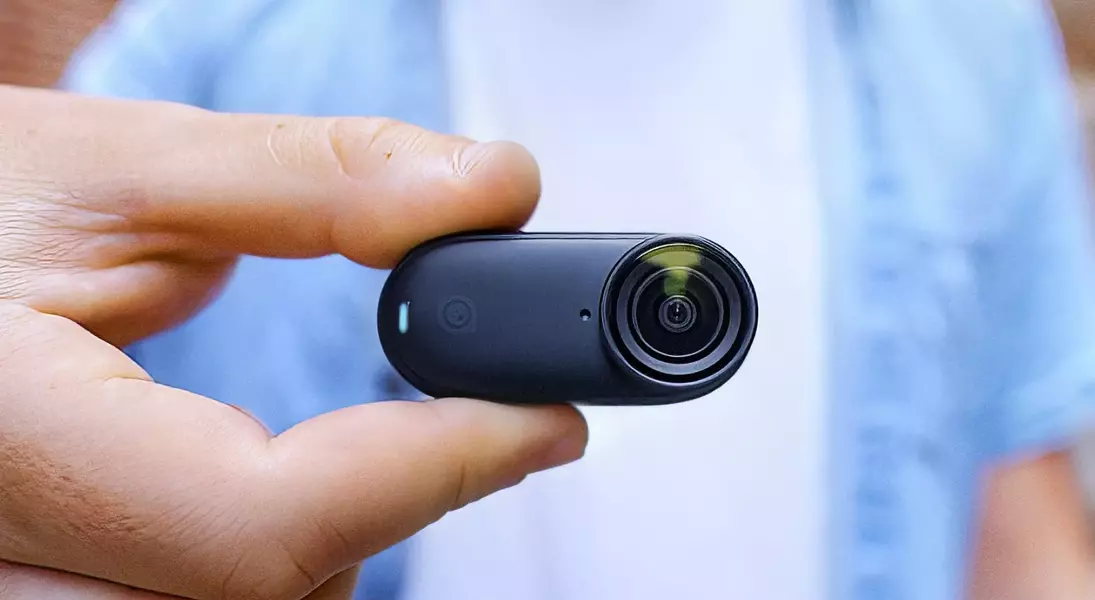
DJI Osmo Nano Action Camera Details Revealed Ahead of Official Launch
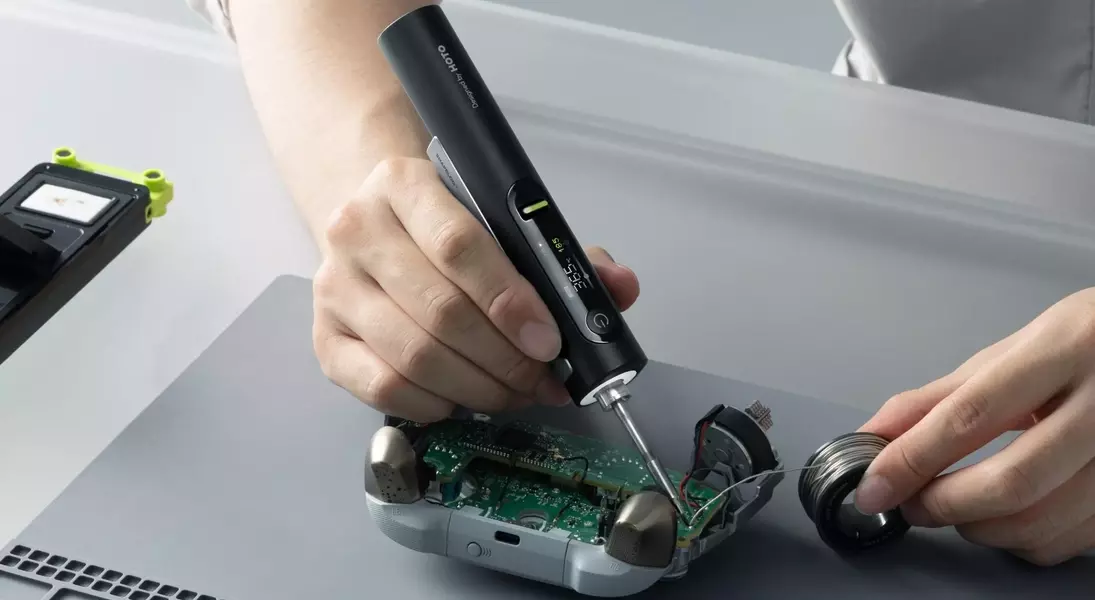
Hoto's Latest Cordless Soldering Iron Heats Up in Three Seconds
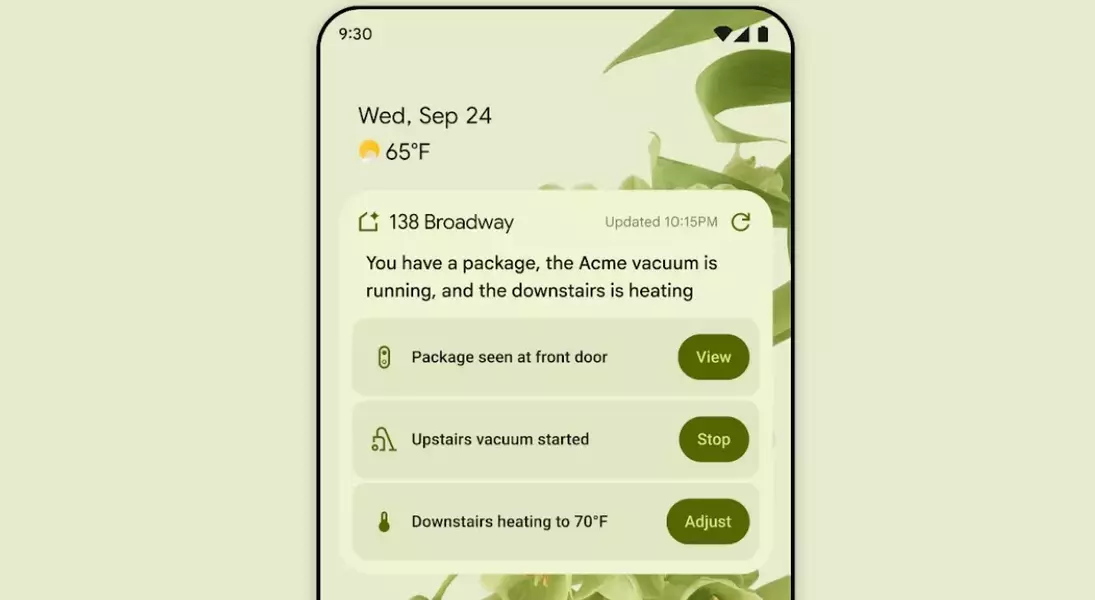
Google Home App Reimagined with Gemini AI Integration
Perseid Meteor Shower: Your Ultimate Guide to Observing and Photographing the Celestial Spectacle

Significant Savings on Samsung's 75-inch The Frame TV at Walmart

Unveiling the Digital Underbelly: Tokelau's Unintended Rise as a Cybercrime Hub

Top Workout Headphones and Earbuds: A Comprehensive Guide
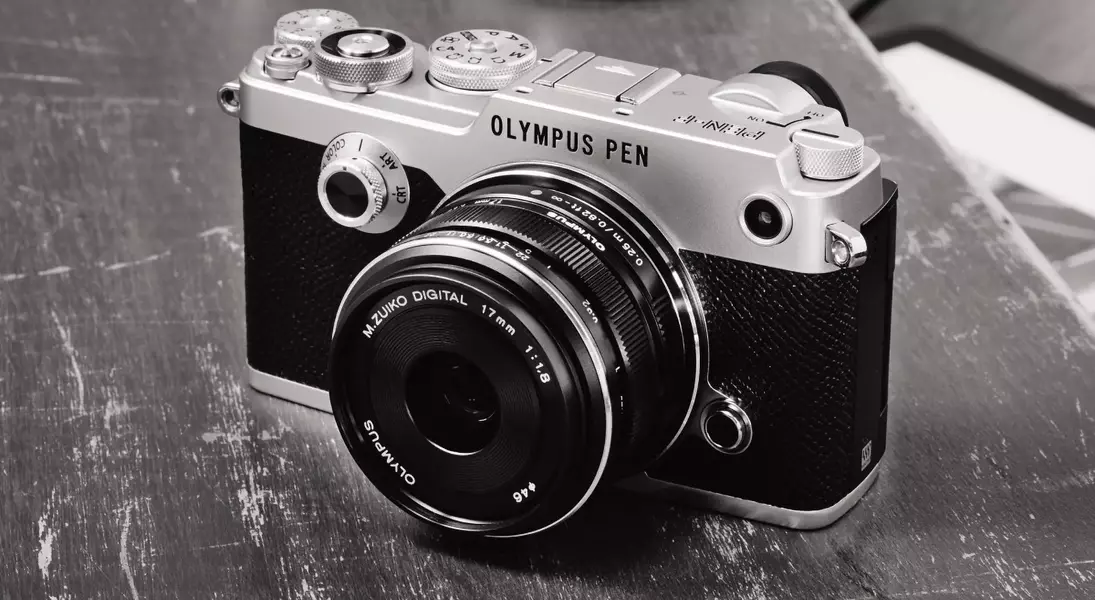
OM System Teases New Retro Rangefinder Camera for September 9 Launch

Nacho on move to Saudi Arabia: “Money played a key role and I needed a radical change”
Nacho Fernandez, the former Real Madrid captain, has opened up about his decision to leave the club
Bank of America says that widespread service outages have been fully resolved
Bank of America experienced a technical issue on Wednesday that prevented many customers from access
Unlocking Passive Income: A Guide to Stablecoin Liquidity Mining

Americans say they’re spending less, delaying big purchases until after election
The 2024 US election is affecting how people, especially young adults, spend their money. 44% of 18-
Greece’s business environment transformed, says Finance Deputy Min
According to Deputy Minister Nikos Papathanasis, Greece has made significant progress in the last fi
Defense Sector Bolstered by Significant Government Contracts
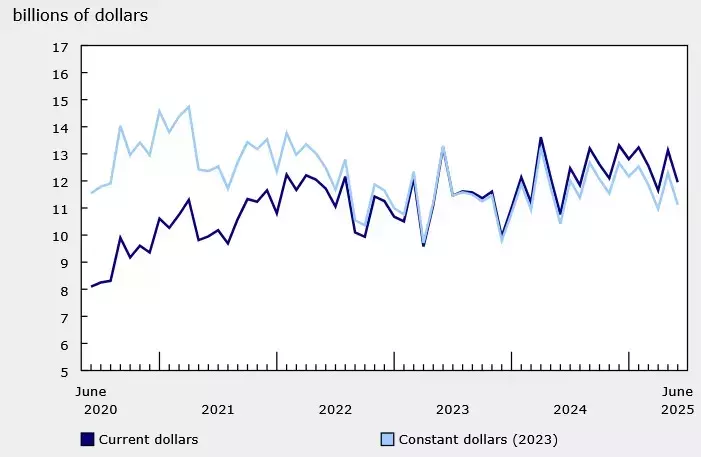
Canadian Building Permits Show Resilience in June, Outperforming Expectations
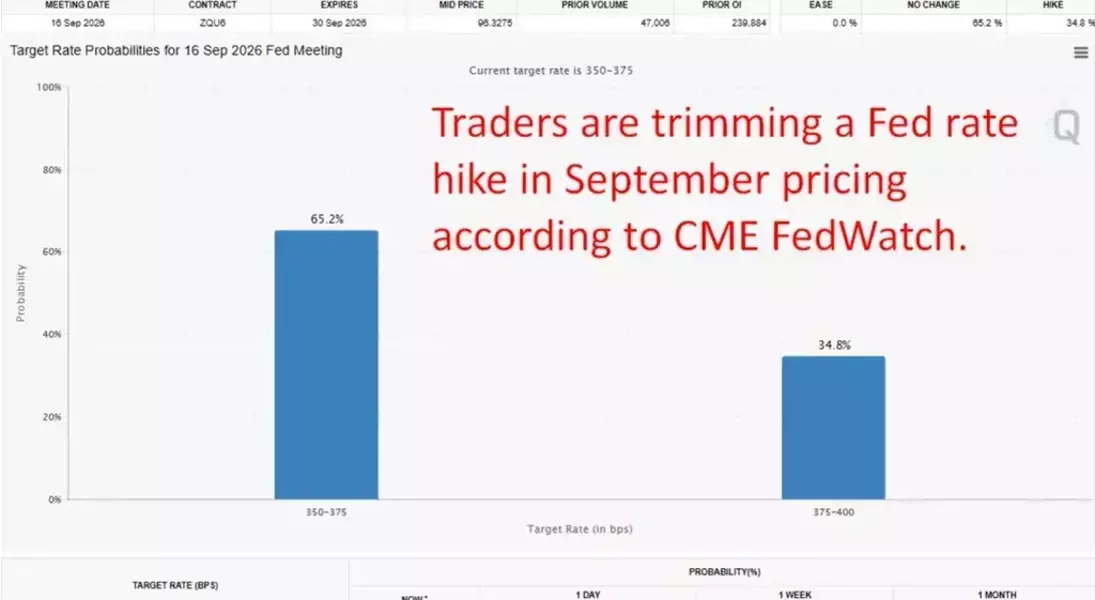
Fed Official Urges Immediate Action on Inflation Amidst Stable Labor Market

Chef Gordon Ramsay's Elevated Overnight Oats: A Flavorful Breakfast Transformation
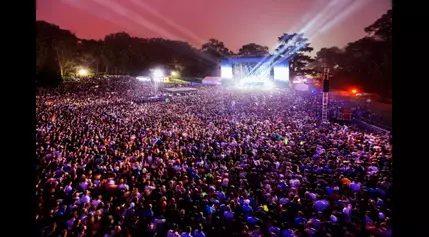
Outside Lands 2024: From Parking and Road Closures to Will Call, Food and Bag Rules
The article provides information on transportation options for attending the Outside Lands music fes
Enjoy authentic Italian food during ‘Teddy’s Night’ at Bella Maria’s in Norton Shores
Bella Maria's Ristorante & Event Center in Norton Shores, Michigan, is more than just a wedding venu
11 News tastes new stadium food Ravens fans will love
The Baltimore Ravens have completed the first phase of a three-phase renovation plan for M&T Bank St

