
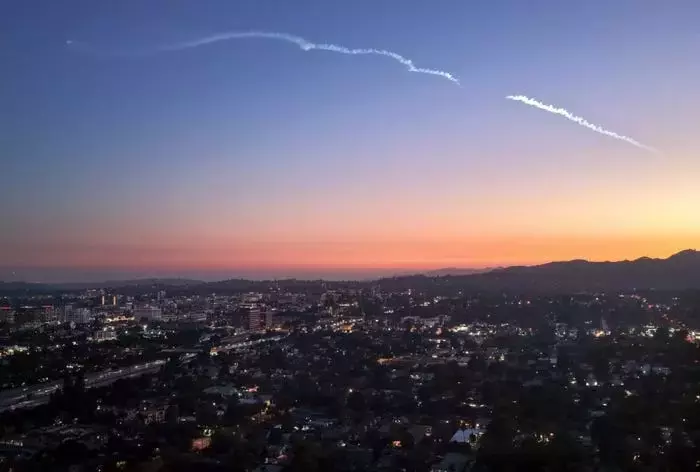
SpaceX's Starlink, a satellite internet constellation operated by Elon Musk's company, harbors significant aspirations of entering the competitive mobile carrier market, aiming to surpass established players like AT&T, Verizon, and T-Mobile by late 2027. However, these ambitious plans are drawing skepticism from industry experts. A former partner at Andreessen Horowitz, a prominent venture capital firm, has voiced concerns about the practicalities of delivering effective Starlink service within dense urban landscapes, emphasizing that the physical structures of cities could severely impede signal reception and drive up operational costs, potentially undermining the project's financial feasibility.
In a recent development, SpaceX President Gwynne Shotwell announced during an earnings call that Starlink was on track to offer superior mobile services compared to the dominant wireless providers—AT&T, Verizon, and T-Mobile—by the close of 2027. However, Benedict Evans, a seasoned analyst with decades of experience in mobile technology, immediately cast doubt on this projection. Writing on Threads this past Thursday, Evans pointed out a critical challenge: the inherent difficulty of ensuring consistent mobile coverage in urban areas, where steel and concrete structures frequently block signals beyond short distances. He specifically questioned the cost implications of overcoming such architectural barriers.
Starlink Mobile currently functions primarily as a vital satellite backup for traditional phone networks, providing essential connectivity in remote regions or during emergencies when conventional ground-based services are unavailable. This segment has proven highly lucrative, generating a substantial .66 billion for Elon Musk's enterprises in the second quarter. To extend Starlink's reach beyond its current remote strongholds, Musk disclosed plans to deploy numerous compact stations, serving as miniature cellular base stations, across urban environments. Yet, Evans' analysis suggests that the sheer volume of these mini-stations required for comprehensive urban coverage could significantly erode Starlink's profitability. He pondered the intricate financial equation: could the cost savings from utilizing satellite technology in rural areas and for backhaul in some base stations genuinely offset the massive investment needed for urban infrastructure, thereby creating a meaningful cost advantage?
Further supporting his argument, Evans shared a graph on Threads on Friday, illustrating that the majority of monthly internet traffic originates from users in urban and suburban areas. This data underscores the necessity for Starlink to either construct an entirely new, extensive infrastructure in these populated zones or lease existing facilities from other telecommunications companies, both of which would entail considerable expenditures. As of this report, Starlink has not provided an immediate response to these pointed inquiries.
The burgeoning ambition of Starlink to become a mainstream mobile competitor presents a fascinating case study in technological innovation meeting real-world logistical and economic constraints. While the vision of seamless global connectivity is compelling, the practical hurdles of urban signal penetration and the associated costs highlight the complexities involved. This situation prompts reflection on the delicate balance between groundbreaking technological aspirations and the pragmatic realities of market entry and profitability within an already saturated and infrastructure-heavy industry.

DJI Osmo Nano Action Camera Details Revealed Ahead of Official Launch
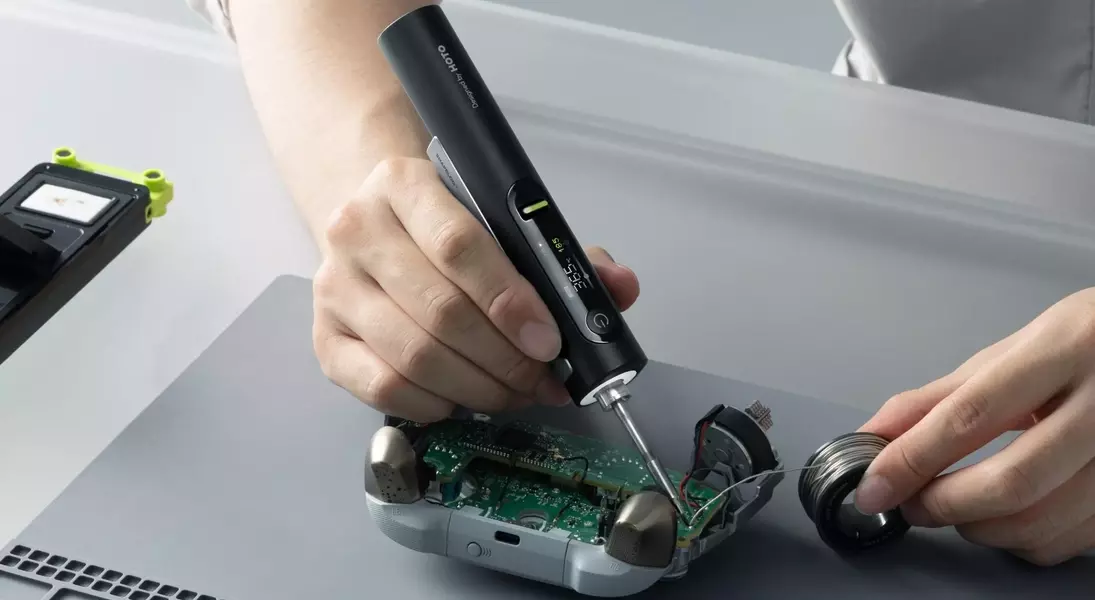
Hoto's Latest Cordless Soldering Iron Heats Up in Three Seconds

Google Home App Reimagined with Gemini AI Integration

Perseid Meteor Shower: Your Ultimate Guide to Observing and Photographing the Celestial Spectacle

Significant Savings on Samsung's 75-inch The Frame TV at Walmart

Unveiling the Digital Underbelly: Tokelau's Unintended Rise as a Cybercrime Hub

Top Workout Headphones and Earbuds: A Comprehensive Guide

OM System Teases New Retro Rangefinder Camera for September 9 Launch

Nacho on move to Saudi Arabia: “Money played a key role and I needed a radical change”
Nacho Fernandez, the former Real Madrid captain, has opened up about his decision to leave the club
Bank of America says that widespread service outages have been fully resolved
Bank of America experienced a technical issue on Wednesday that prevented many customers from access
Unlocking Passive Income: A Guide to Stablecoin Liquidity Mining
Americans say they’re spending less, delaying big purchases until after election
The 2024 US election is affecting how people, especially young adults, spend their money. 44% of 18-
Greece’s business environment transformed, says Finance Deputy Min
According to Deputy Minister Nikos Papathanasis, Greece has made significant progress in the last fi
Defense Sector Bolstered by Significant Government Contracts
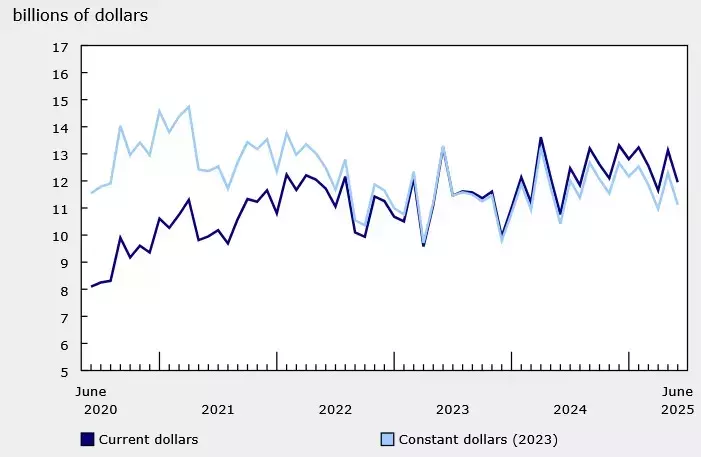
Canadian Building Permits Show Resilience in June, Outperforming Expectations
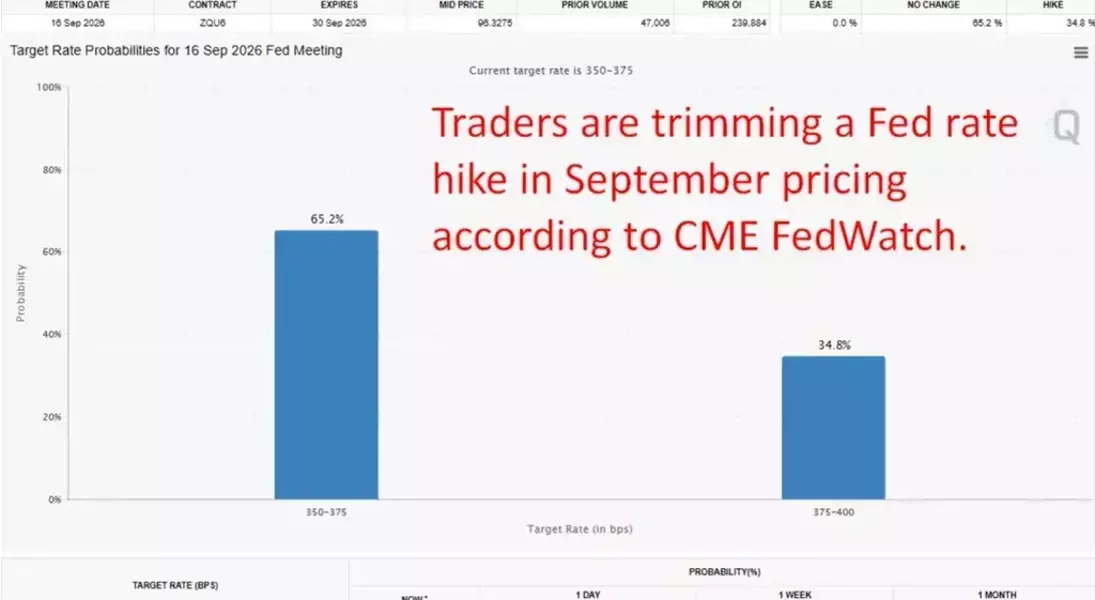
Fed Official Urges Immediate Action on Inflation Amidst Stable Labor Market

Chef Gordon Ramsay's Elevated Overnight Oats: A Flavorful Breakfast Transformation

Outside Lands 2024: From Parking and Road Closures to Will Call, Food and Bag Rules
The article provides information on transportation options for attending the Outside Lands music fes
Enjoy authentic Italian food during ‘Teddy’s Night’ at Bella Maria’s in Norton Shores
Bella Maria's Ristorante & Event Center in Norton Shores, Michigan, is more than just a wedding venu
11 News tastes new stadium food Ravens fans will love
The Baltimore Ravens have completed the first phase of a three-phase renovation plan for M&T Bank St

